
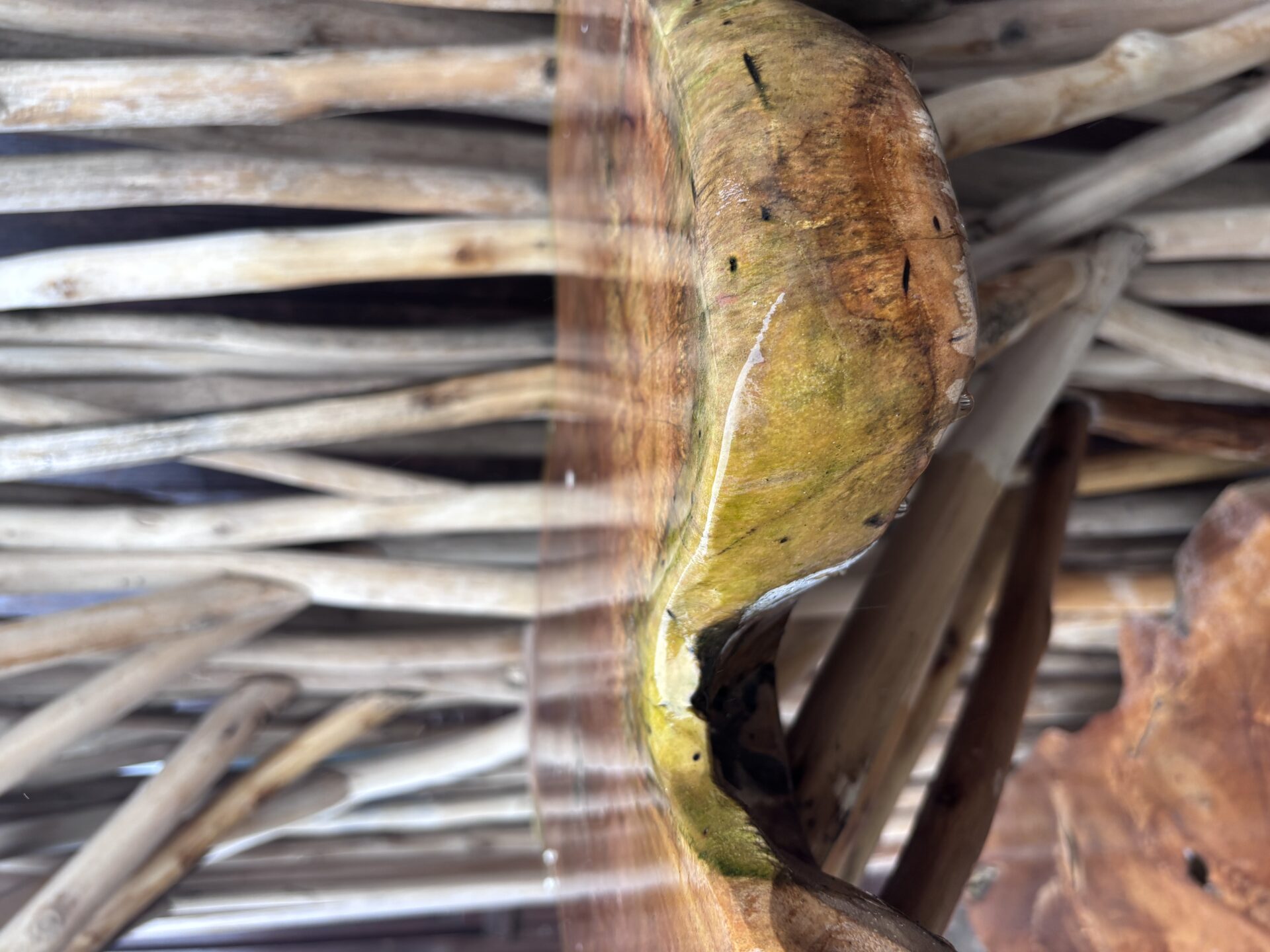
Green deposits on wooden garden furniture: what you need to know
Wood is a beautiful, natural material that lives and adapts to its environment. Teak, known for its durability and weather resistance, is ideal for outdoor use. However, no material is completely maintenance-free when exposed to the elements year after year. A common phenomenon with wood that is left outside is green deposits. But what causes this and what can you do about it?
Why do green deposits form?
Green deposits, also known as algae growth, are caused by a combination of moisture, shade and stagnant air. This natural process occurs not only on wood, but also on stone, tiles and other outdoor materials. Algae can develop rapidly, especially in wet and humid seasons such as autumn and winter. However, this does not mean that the wood is of poor quality – on the contrary, even the best types of wood, such as teak, can be affected.
*** Translated with www.DeepL.com/Translator (free version) ***
Is green algae harmful to teak?
No, the green stain does not affect the quality or strength of teak. Teak is one of the most weather-resistant wood types and remains sturdy, even when exposed to prolonged rain and sunlight. The green layer is purely an aesthetic effect and can easily be removed using the proper maintenance techniques.
Who is responsible for maintenance?
As a retailer, we provide a strong and durable product: teak that can withstand various weather conditions. However, as with any outdoor furniture, regular maintenance is the owner’s responsibility. We cannot guarantee algae growth, just as no manufacturer can with wooden garden furniture. Without proper maintenance, any outdoor product will sooner or later show signs of nature.
How to prevent and remove green deposits?
Fortunately, green deposits are easy to remove and prevent with a few simple steps:
- Regular cleaning: Clean your scratching post or garden furniture at least a few times a year with lukewarm water and a soft brush. Use a mild detergent if necessary.
- Keep dry: Place your furniture in a place where it gets adequate ventilation and does not stay constantly damp.
- Wood cleaner or vinegar: For a more thorough cleaning, use a special wood cleaner or a mixture of water and vinegar (1:1). Rinse thoroughly with water.
- Using sunlight: Algae grow mostly in shady and humid environments. If possible, make sure your furniture gets good sunlight from time to time.
- Apply protective coating: For those who want extra protection, there are special products such as teak sealer or anti-algae treatments that slow down the formation of green deposits.
Conclusion
Green deposit is a natural phenomenon that occurs with any wooden garden furniture left outside. It is not a sign of poor quality, but rather a consequence of environmental factors. Teak is a strong and durable wood that is perfect for outdoor use, but like any material, it needs maintenance. The responsibility for that maintenance lies with the owner. With proper care, your scratching posts and garden furniture will stay looking beautiful and sturdy for years.
Do you have questions about the maintenance of your teak scratching post? Feel free to contact us – we will be happy to help!